KAYI UAV TEAM
Who are we ?
We are a passionate, curious, and determined team of students based in Eskişehir, focused on the development of unmanned aerial vehicles (UAVs) and autonomous systems. Our team consists of members from various engineering disciplines, collaborating to create cutting-edge projects in UAV technologies, artificial intelligence, R&D, and system design.
Our Visions and Missions
As we prepare for the 2025 SUAS Competition, we are committed to enhancing our technical knowledge and experiences. Our goal is to represent Turkey in the best possible way on both national and international platforms. We strive to contribute to the development of next-generation aerial vehicle technologies and continue growing in this field without hesitation.
Drone Design and Technology
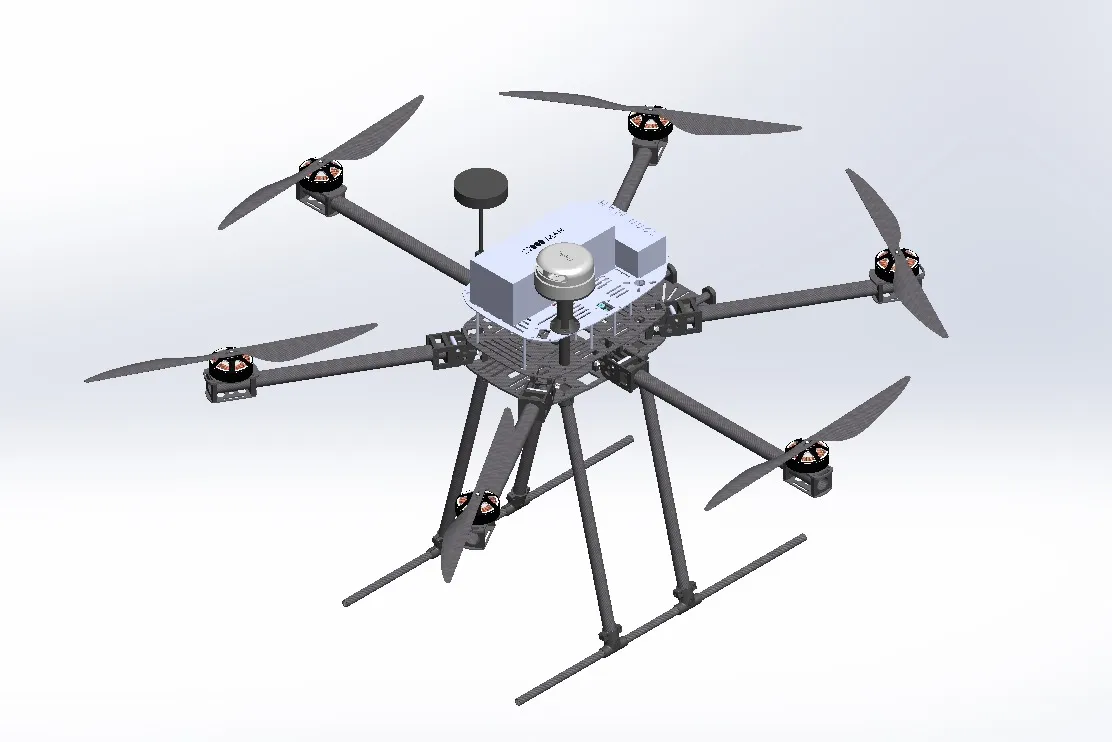
This drone features a design aimed at providing high precision and balance. Its hexacopter configuration allows for customization to suit different mission profiles. Built-in sensors and advanced communication technologies enable real-time analysis and tracking, ensuring high accuracy and reliability during flight.
Artificial Intelligence and Autonomous Flight
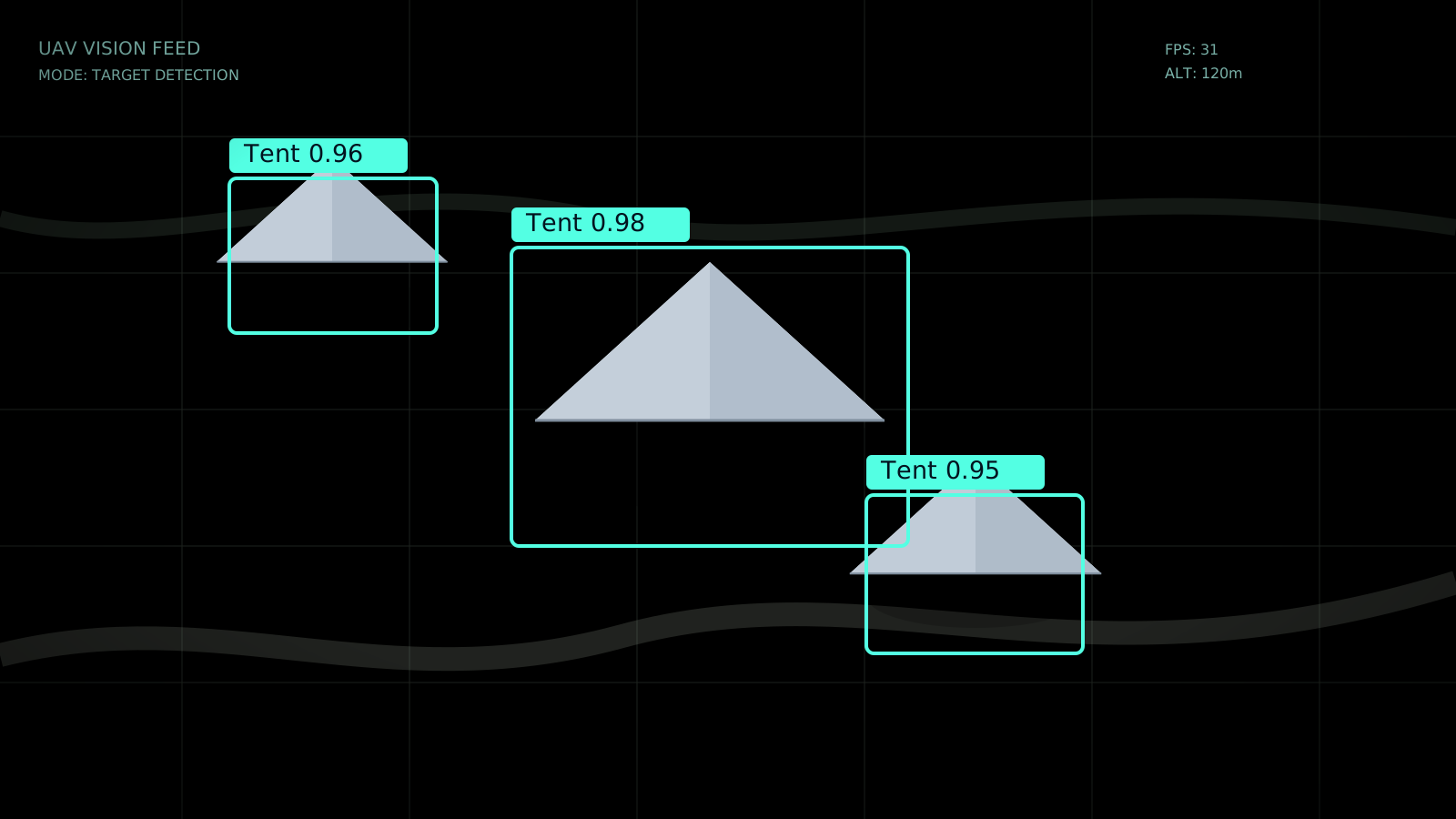
The drone is equipped with a machine learning-based artificial intelligence infrastructure. This enables advanced features such as flight path optimization, object recognition, and classification. The AI enhances mission execution, boosting both precision and success rates for more reliable and accurate mission performance.
Payload Drop Mechanism
A standout feature of the design is the precise payload drop mechanism. This system provides an effective solution for humanitarian aid and logistics operations, offering rapid and secure cargo deployment. During missions, the system maintains its carrying capacity while minimizing vibrations and shocks, ensuring highly accurate performance.
Safety and Reliability
The team has implemented measures to ensure the drone’s safe and continuous operation. Structural analyses were performed during design to test the durability of key components. Critical parts underwent physical durability tests post-production. To avoid electromagnetic interference, electronics were carefully arranged, and communication circuits were distanced from power systems. Additionally, a long-range backup RC system and dependable autopilot components are used to ensure safe flight.